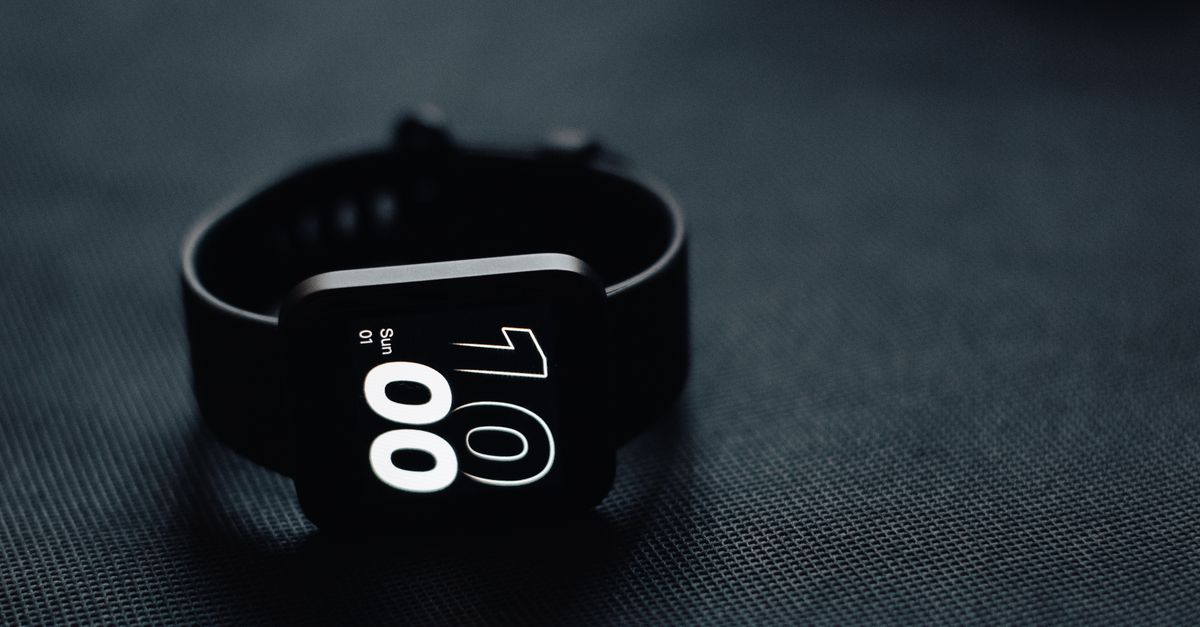
Six Months Without a Smartwatch: My Wrist, My Time, My Peace
For years, my smartwatch was an extension of my arm. It was my fitness tracker, my notification hub, my quick-glance weather report, and even my silent alarm. Like many of you, I bought into the promise of enhanced productivity and seamless connectivity. I genuinely believed it was helping me stay on top of things, keeping me connected without pulling out my phone every two minutes. I tracked my steps, my sleep, my heart rate, and every single notification from my email to my social media feeds buzzed discreetly on my wrist. I felt like I had a miniature assistant always at the ready.
But a nagging feeling started to set in. Despite the convenience, I felt more distracted, not less. Every subtle vibration, every glowing notification, pulled my attention away from the real world. My focus was fragmented, my presence in conversations was diluted, and I found myself constantly reacting to external stimuli rather than proactively engaging with my day. The data, while abundant, rarely translated into actionable insights that genuinely improved my well-being. It became clear that the very device designed to streamline my life was subtly eroding my ability to concentrate and truly be present. So, six months ago, I took it off. No fanfare, no dramatic declaration – just a quiet decision to see what would happen if I disconnected from my wrist. What followed was a profound recalibration of my relationship with technology, my time, and my sense of self.
Key Takeaways
- Eliminating wrist notifications dramatically improved my focus and presence in daily interactions.
- Relying solely on a phone for alerts led to more intentional check-ins and less reactive behavior.
- The perceived ‘loss’ of biometric data was quickly outweighed by intuitive self-awareness and improved sleep quality.
- Reclaiming my wrist fostered a deeper connection with my internal rhythms and a healthier relationship with digital tools.
The Illusion of Constant Connectivity: Why Fewer Notifications Meant More Focus
Before I removed my smartwatch, I was convinced that discreet notifications were better than pulling out my phone. The logic was simple: a quick glance at my wrist, and I could triage an email or dismiss a social media alert without disrupting a meeting or a conversation. In practice, however, this was a massive self-deception. Each glance, no matter how brief, still broke my concentration. My attention was constantly fragmented. A quick buzz about a new email, even if I chose to ignore it, still triggered a tiny cognitive switch: What was that? Is it important? Should I respond?
What changed everything for me was realizing that the medium of notification matters less than the frequency and interruptive nature of the alert itself. When I took off the watch, all notifications reverted to my phone. Suddenly, checking my phone became a more intentional act. Instead of a constant stream of micro-interruptions, I now had to actively reach into my pocket, unlock the screen, and then review. This simple physical barrier introduced a crucial delay. I found myself checking my phone far less often – perhaps only once an hour during focused work, or a few times an evening. When I did check, I was doing it on my terms, not because a device demanded my immediate attention. This shift wasn’t about reducing the number of notifications, but about increasing the friction to access them, allowing for longer stretches of uninterrupted focus. My colleagues noticed too; I was more engaged in discussions, less prone to quick glances at my wrist. It was a clear demonstration that the path to true focus isn’t about discreet distractions, but about minimizing interruptions altogether.
Reclaiming My Internal Rhythms: Beyond the Biometric Data Obsession
One of the biggest concerns I had about ditching my smartwatch was losing all my precious biometric data. I was a diligent tracker: steps, sleep stages, heart rate variability, even estimated caloric burn. I believed this data was essential for understanding my health and optimizing my routines. I’d pore over charts each morning, convinced that these numbers held the key to feeling my best. The mistake I see most often is that we become so reliant on external metrics that we lose touch with our internal sensations.
In my experience, within a few weeks, I started to notice something remarkable: my body’s own signals became much clearer. Instead of checking my sleep score, I simply paid attention to how rested I felt when I woke up. Instead of meticulously counting steps, I focused on integrating more movement throughout my day and how energized that made me feel. I began to trust my own judgment about when I needed a break, when I was genuinely tired, or when I needed to push myself. The perceived accuracy of the smartwatch data, I realized, often obscured the simpler truth of how I felt. My sleep quality, surprisingly, improved once I wasn’t obsessing over a score or worrying about ‘optimal’ sleep stages. The pressure to perform according to a device’s algorithm vanished, replaced by a more intuitive, holistic sense of well-being. It was a powerful reminder that while data can be informative, it should never replace the wisdom of listening to your own body.
The Liberation of My Wrist: A Return to Physical Freedom and Style
Beyond the digital and physiological shifts, there was a surprising liberation in simply having an empty wrist. For years, I had a piece of plastic or metal strapped to me, 24/7. It was always there, a subtle weight, a constant reminder of the digital world. I had grown so accustomed to it that I barely noticed it, but its absence created a profound sense of physical and mental space.
In my experience, this wasn’t just about comfort; it was about reclaiming a small but significant part of my physical self. I could wear traditional watches again, or nothing at all, without feeling like I was missing a crucial piece of my identity. There was an aesthetic freedom I hadn’t realized I’d surrendered. More importantly, it eliminated the unconscious habit of glancing at my wrist out of sheer conditioning, even when there was nothing to see. That ingrained habit, I discovered, had been a constant low-level drain on my attention. By removing the device, I removed the cue, and with it, the unconscious pull towards distraction. It allowed for a greater appreciation of stillness and simplicity, fostering a quiet peace that a device, no matter how ‘smart,’ could never deliver.
The Intentional Shift: How Disconnection Builds Better Digital Habits
Many people fear that disconnecting from one device will lead to a greater reliance on others. I worried about becoming glued to my phone even more. What I found, however, was the opposite: taking off my smartwatch forced me to be more intentional about all my digital interactions. When the easy, constant access to information on my wrist was gone, I had to deliberately decide when and how to engage with my digital tools.
This shift wasn’t about a complete digital detox; it was about mindful integration. I still use my phone, my laptop, and other devices. But now, my engagement with them feels like a conscious choice rather than a reflex. I set specific times to check emails or social media. I put my phone away during meals and conversations. This newfound intentionality has allowed me to appreciate technology’s benefits without letting it dictate my attention. It’s a subtle but powerful difference: I control the technology, rather than the technology controlling me. This experience taught me that true digital well-being isn’t about abstinence, but about thoughtful, deliberate use that aligns with your values and priorities.
What I Learned About Real-World Presence
The most profound lesson from my six months without a smartwatch was the dramatic improvement in my real-world presence. When every little notification isn’t pulling your attention, you are more fully there in whatever you’re doing. This applies to deep work sessions, meaningful conversations with loved ones, or simply enjoying a quiet moment in nature. My ability to listen actively, to engage fully in tasks, and to simply exist without a constant digital hum significantly increased.
I’ve found that my memory of daily events is sharper because I’m not multitasking or distracted. I’m less prone to that anxious ‘FOMO’ (fear of missing out) because I’ve decoupled my self-worth from instant responses. The world didn’t fall apart when I wasn’t instantly reachable or aware of every incoming message. In fact, it became richer. The value of true presence, of sustained attention, far outweighs the fleeting convenience a smartwatch offers. It’s a return to a more human way of interacting with the world, one where our attention is a precious resource to be guarded, not freely given to every digital ping.
Frequently Asked Questions
Q: Did you notice any negative side effects from stopping smartwatch use?
A: Initially, there was a slight adjustment period where I felt a phantom vibration on my wrist. I also had to re-learn to rely on my phone for the time, and for a few days, I did check my phone more often. However, these quickly faded as new, more intentional habits formed. The perceived ‘loss’ of biometric data was quickly outweighed by intuitive self-awareness and improved sleep quality.
Q: How did it impact your fitness tracking?
A: My fitness tracking became less about precise numbers and more about how my body felt. I still use a basic step counter on my phone for general awareness, but I no longer obsess over daily step goals or intricate sleep stage analyses. My motivation shifted from external data validation to internal feelings of energy and well-being. I still exercise regularly, but I listen to my body more.
Q: What did you do with your old smartwatch?
A: My old smartwatch is currently in a drawer. I considered selling it, but I’m holding onto it for now, mainly out of habit. It serves as a reminder of a phase, but I have no immediate plans to wear it again. It’s a tool I simply don’t need anymore.
Q: Do you ever feel like you’re missing important notifications?
A: Very rarely. Most truly urgent communications come via phone calls, which I still receive. For less urgent matters like emails or messages, the slight delay in checking my phone has not resulted in any missed opportunities or critical issues. In fact, it has allowed me to respond more thoughtfully rather than react impulsively.
Q: What advice would you give to someone considering ditching their smartwatch?
A: Just try it for a week or two. Don’t overthink it or make a grand announcement. Simply take it off and observe. Pay attention to how your focus shifts, how you interact with your phone, and how you feel about your own body’s signals. You might be surprised by how quickly you adapt and the unexpected benefits you discover in reclaiming your wrist and your attention.
In the grand scheme of things, a smartwatch is just a device. But the way it subtly shaped my attention and presence was profound. Removing it wasn’t about rejecting technology, but about re-evaluating my relationship with it and choosing a path that prioritizes my inner calm and focus. The peace I’ve found in disconnecting from my wrist has been invaluable, allowing me to be more present in my life, one intentional moment at a time. If you’re feeling overwhelmed by constant digital demands, perhaps it’s time to consider what freedom an empty wrist might offer you.
Written by David Chen
Mindfulness and stress reduction
David, a seasoned yoga instructor and mindfulness coach, champions accessible ways to reduce stress and find inner calm.
You Might Also Like

7 Reasons AI-Generated Marketing Content Falls Flat and What Actually Works
Discover why AI-generated marketing content often misses the mark and learn actionable strategies for creating truly engaging, human-centric campaigns.

Digital Clutter Oversights That Slow Your Tech and Drain Your Focus
Discover common digital clutter mistakes that silently degrade tech performance and mental focus, and learn actionable solutions for a streamlined digital life.

Digital Books Against Physical Books: Which One Boosts Reading Retention?
Explore whether digital or physical books enhance reading retention more. Discover which format truly improves comprehension and memory.