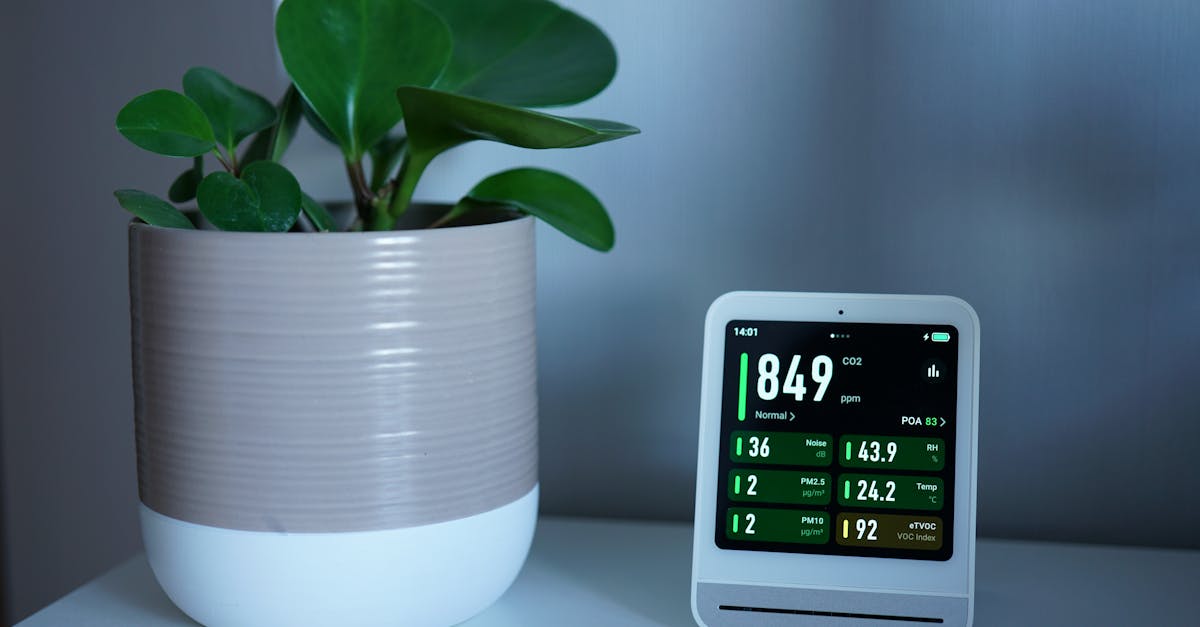
Why Don't Home Air Purifier Filters Last as Long as Advertised?
Have you ever bought a new air purifier, optimistically eyeing the ‘6-12 months’ filter life claim, only to find yourself replacing it in half that time? I certainly have. For years, I cycled through filters, wondering if I was doing something wrong or if the manufacturers were just wildly exaggerating. It felt like a constant drain on my wallet and a source of low-level frustration. What changed everything for me was looking beyond the glossy marketing and diving into the actual science of indoor air quality and filtration. I realized that the advertised lifespan is often a best-case scenario under laboratory conditions, not the reality of a busy home.
Key Takeaways
- Advertised air filter lifespans are often laboratory ideals, not real-world estimates for busy homes.
- Indoor pollutant load, often underestimated, is the primary factor shortening filter life, not just runtime.
- Strategic air purifier placement can significantly reduce filter strain and extend replacement intervals.
- Regular external cleaning and filter checks are crucial for optimizing performance and longevity.
The Real Culprit: Your Home’s Invisible Pollution Load
The mistake I see most often, and one I made myself for years, is assuming filter life is purely about ‘hours run.’ While runtime is a factor, it’s secondary to the sheer volume and type of pollutants your filter is actively trying to capture. Think of it like a sponge: a sponge used to wipe up a few drops of water will last much longer than one used to clean up a spilled gallon of muddy paint. Your home’s air is rarely pristine, even if it looks clean.
In my experience, microscopic particles are the true filter killers. These include pet dander, dust mites, pollen, mold spores, wildfire smoke, volatile organic compounds (VOCs) from cleaning products, furniture, and even cooking. A home with pets, a smoker, frequent cooking, or located in an area with high pollen counts or seasonal wildfire smoke will clog filters far faster than a minimalist apartment with minimal indoor activity. For example, when wildfire smoke was prevalent in my area for a few weeks, I noticed my pre-filter, typically replaced every 3 months, was visibly darker in just two weeks, and my main HEPA filter’s performance plummeted. The filter’s job is to trap these particles, and the more there are, the faster its capacity is reached.
Underestimating the Impact of Airflow and Placement
Another significant factor that shortens filter life is suboptimal air purifier placement and restricted airflow. Many of us, myself included, tend to tuck air purifiers into corners or behind furniture, hoping they’ll blend in. The problem is, these devices need unobstructed space to effectively draw in polluted air and distribute clean air. When an air purifier is placed against a wall, in a corner, or surrounded by furniture, its ability to circulate air is severely hampered. This means it has to work harder and longer to achieve the same air cleaning effect, leading to faster filter saturation.
What changed everything for me was understanding that an air purifier isn’t just a fan; it’s a precisely engineered system for air movement and filtration. Placing a unit too close to a wall, say within 6-12 inches, can reduce its effective coverage area by 20-30% due to inefficient air intake and output. This means your filter is working in a less-than-ideal environment, pulling in air from a smaller zone, and thus filtering a higher concentration of pollutants from that limited area, rather than effectively cleaning the entire room. In my own living room, simply moving my purifier 18 inches from the wall to a more central, open location made a noticeable difference in how quickly the air felt fresh and, consequently, how long the filters lasted before needing replacement.
The Accumulation Effect: Why Small Pollutants Matter Most
Many think of large particles like visible dust as the primary filter-clogging culprits. While dust is certainly a factor, the real silent assassins are the ultrafine particles. These are the particles that are invisible to the naked eye but make up the vast majority of indoor air pollution, often less than 2.5 micrometers in size (PM2.5). These tiny particles, such as those from burning candles, cooking fumes, viruses, bacteria, and even some pollen fragments, accumulate deeply within the filter media. Once lodged, they’re incredibly difficult to remove and progressively reduce the filter’s efficiency and airflow.
In my experience, I once thought running my purifier on a lower setting would prolong filter life. While it does reduce the motor’s wear and tear, it often means the filter is less effective at capturing those ultrafine particles that truly matter for long-term health and filter longevity. It’s a trade-off: higher fan speeds might mean quicker initial filter saturation, but lower speeds can lead to a less thoroughly cleaned environment and a more stubborn, deeply embedded layer of ultrafine particles that still eventually choke the filter. Focusing on pre-filters and the initial stages of filtration becomes even more critical when you consider this accumulation of microscopic material.
Overlooking Pre-Filter Maintenance and External Cleaning
Modern air purifiers typically feature a multi-stage filtration system, starting with a pre-filter designed to capture larger particles like hair, lint, and visible dust. This pre-filter is the first line of defense, protecting the more delicate and expensive HEPA and activated carbon filters. However, many users, myself included initially, tend to neglect this crucial component. We replace the main filter, but forget the often-washable or easily replaceable pre-filter.
Neglecting the pre-filter is akin to running a marathon with weights on your ankles. A clogged pre-filter severely restricts airflow, forcing the main filters to work harder, accelerating their wear, and reducing their overall lifespan by as much as 30-40%. It also reduces the purifier’s overall efficiency, meaning you’re breathing less clean air for the same energy consumption. In my routine now, I make it a point to check and clean my pre-filter every 2-4 weeks, depending on the season and pet activity. A quick vacuum or rinse makes a significant difference. Additionally, regularly wiping down the external air intake and output grilles of the air purifier prevents dust buildup on the unit itself, ensuring optimal airflow from the very start. This simple habit drastically extended the life of my more expensive HEPA filters and kept the unit running more efficiently.
Frequently Asked Questions
How often should I truly replace my air purifier filter?
In my experience, the manufacturer’s recommendation is a guideline, not a strict rule. A more realistic approach is to monitor your home’s unique environment. If you have pets, live in an urban area, or experience seasonal allergies/smoke, expect to replace HEPA filters every 3-6 months and pre-filters monthly. Otherwise, 6-9 months for HEPA might be achievable. Always check the filter for visible discoloration or feel for reduced airflow from the unit, which are clear indicators.
Can cleaning my HEPA filter extend its life?
For true HEPA filters, cleaning is generally not recommended and can actually damage the delicate filter media, making it less effective. HEPA filters are designed to capture microscopic particles by trapping them permanently. Attempting to wash or vacuum them can release trapped particles back into the air or create microscopic tears, compromising their filtration ability. Stick to replacing true HEPA filters when they’re visibly dirty or the unit’s performance declines. However, always check if your unit has a washable pre-filter, which can and should be cleaned regularly.
Does running my air purifier 24/7 shorten filter life significantly?
Yes, continuous operation directly contributes to faster filter saturation because the filter is constantly working to remove pollutants. However, for consistent air quality, running it 24/7 is often necessary, especially in homes with pets, allergies, or higher pollution loads. My recommendation is to prioritize air quality and acknowledge that filters are consumables. Instead of reducing runtime, focus on maximizing efficiency through proper placement and meticulous pre-filter maintenance.
Do activated carbon filters last as long as HEPA filters?
Activated carbon filters, which are designed to absorb odors and VOCs, have a different lifespan mechanism. They become saturated as they absorb compounds. In my experience, even if your HEPA filter still looks relatively clean, the activated carbon portion might be exhausted if you notice odors returning. Their lifespan is typically shorter than HEPA filters, often 3-6 months, especially in homes with strong cooking odors or new furniture. Many modern purifiers combine HEPA and carbon into a single filter, so you’re replacing both components simultaneously.
Conclusion
Understanding why your air purifier filters don’t meet their advertised lifespan comes down to a few core principles: the actual pollution load in your home, the efficiency of your unit’s airflow, the accumulation of ultrafine particles, and the often-overlooked maintenance of your pre-filter. What changed everything for me was adopting a more proactive approach to air purification, treating it as an active system rather than a passive appliance. By paying attention to these factors, I’ve not only extended the life of my filters but also significantly improved the overall air quality in my home. Start by observing your home’s unique environment and adjust your filter replacement schedule accordingly, focusing on meticulous pre-filter care. Your lungs (and your wallet, in the long run) will thank you.
Written by David Chen
Mindfulness and stress reduction
David, a seasoned yoga instructor and mindfulness coach, champions accessible ways to reduce stress and find inner calm.
You Might Also Like

A 1-Minute Meditation: What It Actually Changes in Your Day
Discover the tangible benefits of a one-minute meditation and how it can subtly, yet powerfully, shift your daily experience.
A Beginner's Guide to Evaluating Online Wellness Claims
Learn how to critically assess wellness claims and products online, distinguishing scientific evidence from marketing hype for better health decisions.

A Beginner's Guide to Reading Food Labels for Hidden Sugars
Unlock the secrets of food labels to identify hidden sugars and make healthier eating choices. Learn what ingredients to look for and how to interpret nutritional data.